A Comprehensive Overview to HVAC: Navigating Common Troubles in A/c Units and Fixes
The complexities of heating and cooling systems commonly bring about common cooling issues that can interfere with convenience. Understanding the components and functionality is important for home owners. Symptoms like not enough air conditioning or odd noises signal underlying issues. This overview outlines efficient troubleshooting strategies, DIY solutions for minor repair work, and indicators that professional assistance is essential. By discovering preventative upkeep ideas, visitors can guarantee their systems operate smoothly. What actions should be taken to address these worries efficiently?
Understanding Your Cooling And Heating System: Components and Functionality
A cooling and heating system is essential for preserving comfy interior atmospheres, integrating air flow, air, and home heating conditioning functions. It is composed of several vital parts, each playing a substantial function in its general operation. The heater or boiler creates warm, while the air conditioning unit cools the air to preserve desired temperatures. Ducts distribute conditioned air throughout the area, ensuring also temperature regulation. Additionally, the thermostat keeps an eye on the system and controls's efficiency, permitting customers to establish their favored setups.
Ventilation is crucial for keeping interior air high quality, entailing the exchange of stale indoor air with fresh outdoor air. HVAC Preventive Maintenance. Filters are integrated into the system to catch dust, allergens, and other particulates, advertising a much healthier setting. Overall, recognizing these components and their capabilities allows property owners to appreciate the complexity of their cooling and heating systems and the importance of regular maintenance for peak performance and longevity
Common Cooling Problems: Signs and Causes
Usual cooling problems can show up in different methods, consisting of inadequate cooling performance, uncommon sounds, and unpleasant smells. These signs commonly show underlying concerns that require interest, such as refrigerant leakages or mechanical malfunctions. In addition, frequent biking can recommend thermostat troubles or air flow constraints, indicating the demand for timely repair services.
Insufficient Cooling Efficiency
When an air conditioning system fails to cool down a space properly, it can lead to discomfort and disappointment for the occupants. Inadequate air conditioning performance can stem from different issues, including a dirty air filter, which limits air movement, or low cooling agent levels due to leakages. Additionally, malfunctioning components such as the compressor or evaporator can impede efficient cooling. Thermostat settings might likewise be poorly set up, triggering the unit to underperform. Normal upkeep is crucial to protect against these issues, making certain the cooling system runs efficiently. Identifying the source without delay can assist in timely repair work and bring back excellent cooling, enhancing indoor convenience and extending the life expectancy of the unit.
Unusual Sounds and Odors
Unusual noises and odors from a cooling system can indicate underlying concerns that require focus. Typical sounds, such as grinding, rattling, or hissing, frequently suggest mechanical troubles, loosened elements, or refrigerant leakages. A grinding sound may recommend worn-out bearings, while rattling might indicate loose parts that need safeguarding. Hissing audios could indicate a refrigerant leakage, which can jeopardize performance.

Regular Cycling Issues
Regular cycling issues in a/c systems can considerably affect comfort and power effectiveness. This phenomenon happens when the unit activates and off swiftly, failing to maintain a constant temperature level. Common symptoms consist of fluctuating indoor temperatures and increased energy costs. The sources of constant biking may involve a malfunctioning thermostat, incorrect refrigerant levels, or filthy air filters that limit air flow. In some instances, an extra-large cooling unit can additionally result in quick cycling, as it cools the area as well rapidly without adequate runtime. Determining these problems immediately is necessary, as long term cycling can cause raised endure the system, lowered lifespan, and higher repair work expenses. Routine upkeep can alleviate these problems and boost overall efficiency.
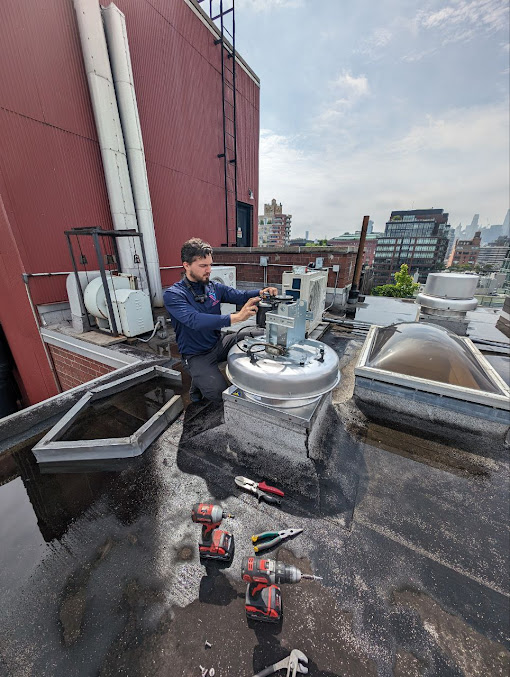
Fixing Your Air Conditioning Unit: Step-by-Step Guide
Numerous homeowners experience concerns with their cooling devices at some factor, resulting in discomfort throughout heat. To troubleshoot properly, one must first examine the thermostat setups, ensuring it is readied to "cool down" and the preferred temperature is less than the present room temperature level. Next, checking the air filters for dust and blockages is vital, as clogged up filters can hinder air movement.
If the system stops working to start, checking out the power supply and breaker for any kind of tripped switches is needed. Listening for uncommon sounds can also give clues; grinding or rattling might indicate loosened parts or mechanical issues.
Evaluating the outdoor condenser device for debris or obstructions is important, as this can affect effectiveness. By following these steps, homeowners can recognize typical issues before looking for expert aid, making sure a more comfy living setting throughout the summertime.
Do It Yourself Fixes for Minor HVAC Issues
A variety of small a/c issues can frequently be addressed via easy DIY fixings, saving both money and time for house owners. One common concern is a clogged air filter, which can restrict air movement and decrease effectiveness. Home owners can easily replace or clean the filter to boost system efficiency. In addition, checking and tightening up loosened electric connections can prevent undesirable power interruptions and boost safety.
An additional simple task is cleansing the condenser coils, which can collect dirt and debris, preventing heat exchange. By shutting off the system and carefully cleaning the coils, home owners can preserve suitable effectiveness.
Making certain that the thermostat is why not look here appropriately calibrated can eliminate imprecise temperature analyses. An easy recalibration can cause boosted comfort and power financial savings. While these small repair services are manageable, it is vital for property owners to acknowledge their constraints and prioritize security throughout the procedure.
When to Call a Professional: Indications You Need Professional Aid
Just how can property owners figure out when it's time to look for specialist cooling and heating support? Acknowledging the indicators that show specialist help is needed can avoid additional issues. If the air conditioning system is blowing warm air in spite of being set to cool, this could represent a refrigerant leakage or a malfunctioning compressor. Additionally, uncommon sounds such as grinding or screeching audios usually aim to mechanical concerns that call for skilled treatment. Homeowners ought to also be alert to unusual odors emanating from the device, which could recommend electrical issues or mold growth. If the system often cycles on and off or displays irregular temperature levels throughout the home, it's suggested to get in touch with an expert. If the energy bills surge unexpectedly, it might suggest inefficiency here that might be best resolved by a Cooling and heating expert. Identifying these indications can help ensure the longevity and performance of the air conditioning system.
Preventative Upkeep Tips for a Smooth-Running A/c System
Preventative upkeep is necessary for guaranteeing a cooling system operates successfully. Key techniques include routine filter replacement, seasonal system evaluations, and thermostat calibration checks. Carrying out these tips can aid lengthen the life expectancy of the AC system and boost its efficiency.
Regular Filter Replacement

Seasonal System Inspections
Yearly seasonal system examinations are necessary for guaranteeing a smooth-running air conditioning system. These assessments allow technicians to recognize prospective issues before they escalate right into costly fixings. During an examination, essential components such as the compressor, condenser coils, and cooling agent levels are thoroughly checked out. Specialists additionally inspect electric connections and examine the general effectiveness of the unit. Cleansing the coils and making sure proper air movement are crucial jobs that add to come to a head efficiency. Additionally, seasonal examinations help keep energy performance, which can lead to lower energy costs. By scheduling these assessments at the start of the cooling season, homeowners can delight in comfort, recognizing their air conditioning system is in peak condition and ready to manage the summertime heat.
Thermostat Calibration Checks
Although often neglected, thermostat calibration checks are vital for keeping an efficiently operating a/c system. An incorrectly adjusted thermostat can bring about inaccurate temperature readings, causing the unit to cycle unnecessarily or fail to reach the desired comfort level. To perform a calibration check, one ought to compare the thermostat's reading with a trustworthy thermostat put near the system. Modifications might be required to guarantee precision if disparities are located. Normal calibration checks, ideally conducted during seasonal examinations, can stop too much energy intake and promote a much longer life expectancy for the a/c system. By prioritizing this easy yet crucial maintenance step, homeowners can boost convenience and effectiveness, ultimately reducing fixing expenses and enhancing overall system efficiency.
Often Asked Questions
Just How Can I Enhance My heating and cooling System's Energy Performance?
To enhance HVAC system power effectiveness, one should routinely keep filters, seal ducts, mount a programmable thermostat, assurance proper insulation, and take into consideration upgrading to energy-efficient versions, ultimately lowering energy intake and reducing energy expenses.
What Are the Benefits of Routine HVAC System Maintenance?
Regular HVAC system upkeep provides numerous advantages, consisting of enhanced power efficiency, improved air quality, extended tools life expectancy, lowered repair service costs, and constant temperature level control. These advantages add to an extra cost-efficient and comfortable interior setting.
How Commonly Should I Change My Heating And Cooling Filters?
The regularity of HVAC filter replacement depends on usage and type, yet usually, it's recommended every 1 to 3 months. Routine adjustments maintain suitable air high quality and system performance, expanding the lifespan of the heating and cooling system.
What Is the Typical Life-span of a Cooling Unit?
The average life-span of an air conditioning unit usually varies from 10 to 15 years (Commercial & Residential Refrigeration). Aspects such as upkeep, usage, and environmental conditions can substantially influence this period, influencing total performance and efficiency with time
Exist Any Type Of Federal Government Refunds for Energy-Efficient Cooling And Heating Upgrades?
The questions pertaining to federal government refunds for energy-efficient a/c upgrades exposes that numerous regions offer motivations. Property owners More Help are encouraged to research neighborhood programs, as discounts can significantly minimize upfront costs and advertise lasting energy use.
The complexities of Cooling and heating systems typically lead to usual air conditioning concerns that can disrupt convenience. The heater or boiler generates warmth, while the air conditioning system cools the air to keep preferred temperatures. Air flow is necessary for preserving indoor air top quality, including the exchange of stale interior air with fresh outdoor air. If the air conditioning device is blowing warm air regardless of being established to cool, this can symbolize a refrigerant leakage or a malfunctioning compressor. Annual seasonal system examinations are necessary for guaranteeing a smooth-running air conditioning system.
Comments on “Understanding Commercial refrigeration for reliable cooling operations”